
Abdominal surgery and proctology
What is Abdominal Surgery and proctology?
Abdominal surgery is a specialisation focusing on operations in the abdominal cavity, such as on the stomach, liver, intestines and gallbladder but also in the pelvis as on the pelvic floor. Modern techniques such as laparoscopy are often used for a precise and less invasive approach.
The surgical procedures are performed at CHU Brugmann, Horta site, Laeken.
Explanation of some pathologies
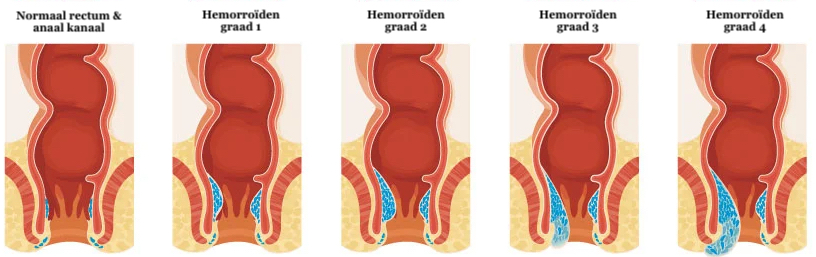
Proctologische aandoeningen zijn problemen die betrekking hebben op het rectum (endeldarm) en de anus. Dit omvat aandoeningen zoals aambeien, Galblaas stenen, anale fissuren (scheurtjes in de anuswand) en anale fistels (abnormale buisvormige verbindingen tussen de anale holte en de huid rond de anus).
Haemorrhoids
The typical symptoms of haemorrhoids are:
- Anal itching
- Blood loss after defecation
- Anal pain
- Anal swelling
Often, a local treatment is sufficient to reduce symptoms. However, if the hemorrhoids are very swollen or cause significant symptoms, surgical removal of the hemorrhoids may be necessary. This treatment is performed under spinal or general anesthesia.
Gallstones
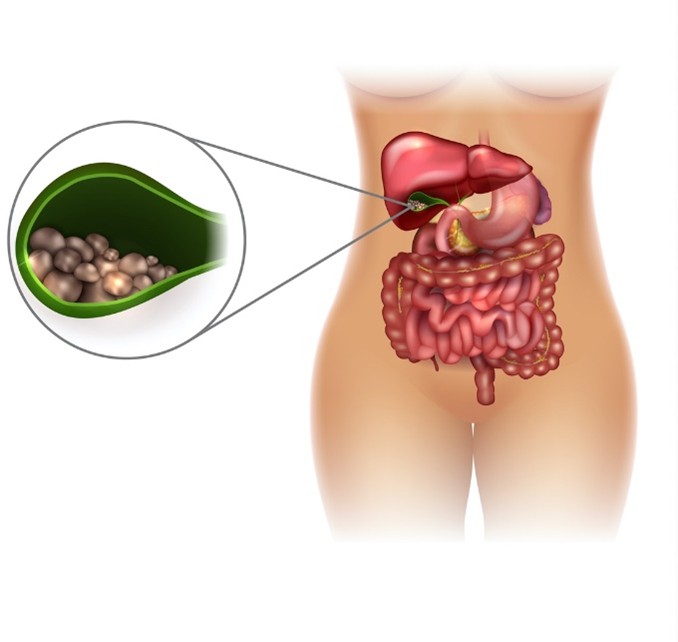
The surgical treatment of gallstones involves the removal of the gallbladder and stones through a minimally invasive surgery (laparoscopic cholecystectomy).
Anal fistula
An anal fistula is an abnormal tubular connection that forms between the anal cavity and the skin around the anus. It is usually caused by inflammation of an anal gland on the inside of the anus. When such a gland becomes clogged and infected, a fistula may develop as a result of the formation of an abscess that breaks out through the surrounding tissues.
The surgical treatment of an anal fistula depends on the location and severity of the fistula. This treatment is performed under spinal or general anesthesia.
The most commonly used techniques are :
- Laying open the fistula tract. This technique is used for superficial fistulas.
- Drainage of the fistula tract with a seton. This operation requires a follow-up surgery where the seton is removed, and the fistula tract is laid open. This technique is used if the fistula is deeper and there is a risk of cutting too much of the anal sphincter.
Abdominal Wall Hernias
Abdominal wall hernias occur when weak spots or openings develop in the abdominal wall, allowing organs or tissues to protrude through these openings. This can lead to a visible swelling or lump under the skin. Abdominal wall hernias can occur in various locations, such as the groin, thigh, or around the navel.
These weak spots in the abdominal wall can be congenital or develop due to factors such as heavy lifting, obesity, pregnancy, or a previous surgery. Symptoms can range from mild discomfort to severe pain and may include a palpable lump, pain, or tenderness at the site of the hernia.
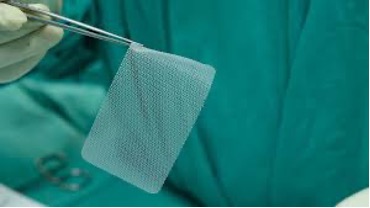
Surgical procedures are often performed to repair abdominal wall hernias and prevent complications. During the operation, a reinforcing material is usually used to close the weak spot and restore the normal structure of the abdominal wall.
Diverticulosis
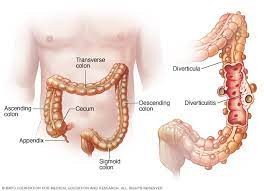
Diverticula are outpouchings of the large intestine. They are primarily located in the last part of the colon (on the left side of the abdomen) and typically develop later in life (after the age of fifty).
Sometimes, diverticula can lead to chronic complaints in the lower left abdomen, such as pain, and sometimes constipation or diarrhea. This occurs when one or more pouches become inflamed. This condition is called diverticulitis. Such inflammations are accompanied by fever, abdominal pain, and difficulty with bowel movements. Inflammations can be very severe and may require hospitalization.
If you regularly experience severe problems, it may sometimes be decided to remove the portion of the intestine affected by diverticulosis entirely. This surgery is performed through a minimally invasive procedure (laparoscopy).
Functional Pelvic Problems
Functional pelvic floor issues can include chronic perineal pain, incontinence, constipation, and prolapse. If you are experiencing any of these conditions, we work together as a team to find the best solution for you, possibly through a surgical intervention. This may sometimes require collaboration with other specialists such as gynecology, urology, pain specialists, physiotherapists, etc.
Minor Surgical Procedures
Minor surgical procedures involve the removal of abnormalities on or under the skin that are bothersome.
The most common are:
- Fibromas: A fibroma is a benign thickening of the skin made up of connective tissue. Since connective tissue is found in almost all tissues of the body, fibromas can develop anywhere in the body.
- Lipomas: A lipoma, also called a “fat lump,” is a benign tumor made up of accumulated fat cells.
- A blocked sebaceous gland (atheroma cysts).
- An ingrown toenail.
These can be removed under local anesthesia at Mirha by Dr. Jottard. A wound check and the removal of any sutures will be done by the doctor two weeks after the surgery.